All Dates
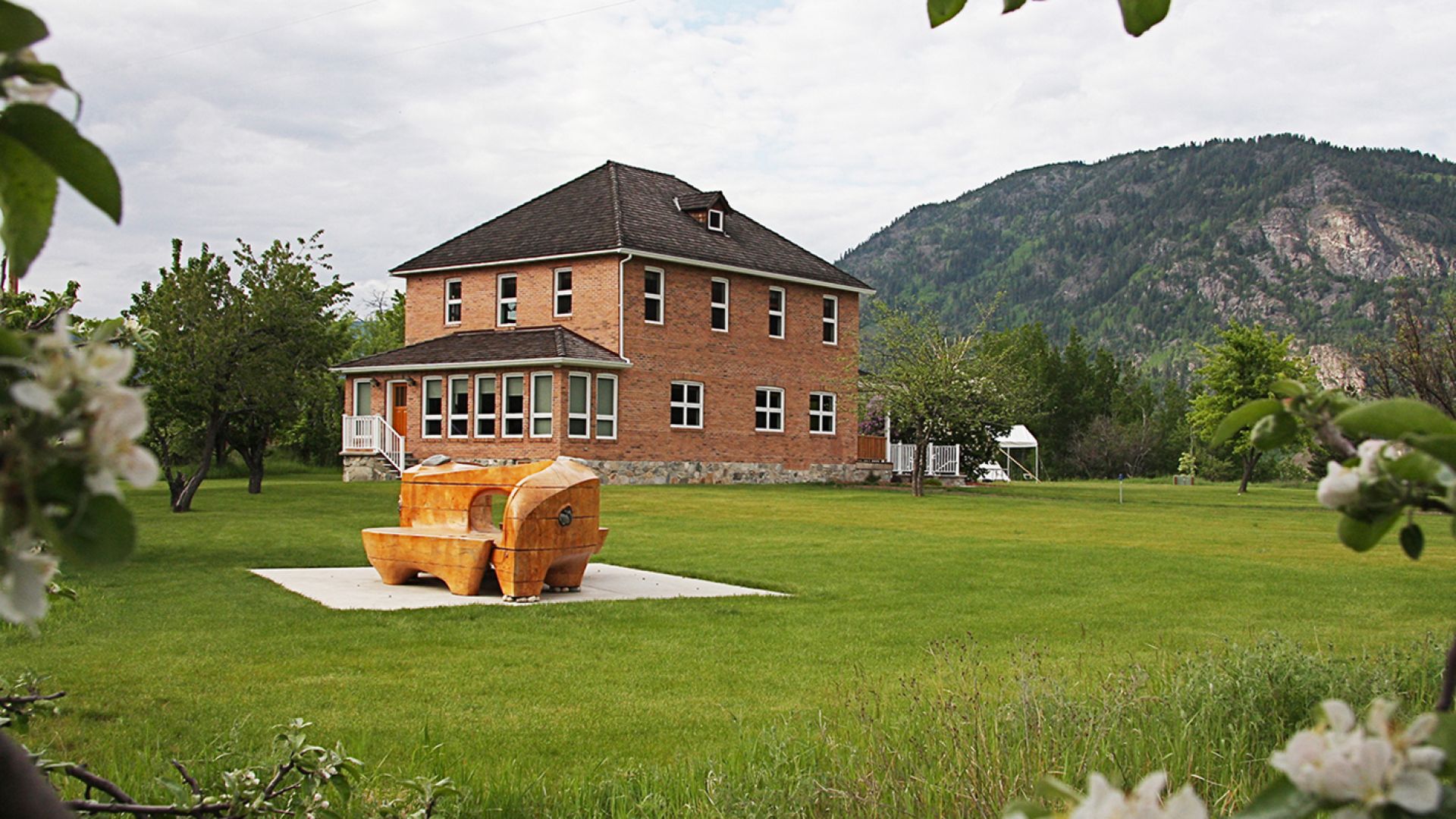
The Mir Centre for Peace invites you to explore Compassionate Justice—a thought-provoking video speaker series featuring exceptional people speaking on criminal justice and social justice issues that are important to Canadians.
All events are free and open to both our campus community and surrounding communities. Discussions to follow.
Schedule
Katherine Hensel - Bringing our Children Home
Friday, February 13, 10 am, Mir Centre
Katherine’s talk will focus on Indigenous governments’ recovery of jurisdiction over their children, territories, citizenship, and languages. Over her distinguished legal career, she has helped write laws, secure funding and conduct investigations, under the inherent authority of the Indigenous nations. Her work has taken her to her own territory, Secwepemculucw, assisting with investigations into unmarked burials at the Kamloops Residential School, and to many other places across Canada.
Sponsored by the Social Service Worker Program
Brian Greenspan - The Press, The Public, and The Presumption of Innocence
Friday, February 27, 1:30 pm, Sentinel 113 (Note this event is NOT at the Mir Centre)
The presumption of innocence is said to run like a ‘golden thread’ through our criminal law. Yet, in practice, that cornerstone of our justice system has been challenged and attacked by the media, social media and politicians. Brian Greenspan has dedicated his professional life as a criminal defence lawyer to the protection and preservation of the presumption of innocence. Having served as counsel in many significant cases, he has profoundly affected the development of our criminal law and practice.
Sponsored by Law & Justice Studies
Lisa M. Kelly - The Unfinished Revolution of Youth Justice
Friday, March 6, 10 am, Mir Centre
Just over twenty years ago, Canada introduced the Youth Criminal Justice Act, sparking a quiet revolution in response to soaring youth incarceration rates. Since then, the number of young people arrested, charged, sentenced, and incarcerated has plummeted. This remarkable story of decarceration offers powerful lessons for how we think about justice today. In this talk, Professor Lisa Kelly of Queen’s University Faculty of Law situates the successes and failures of contemporary reform within the longer history of juvenile delinquency and young offender laws in Canada. And most importantly, asks what might the youth experience teach us about building a more humane and compassionate legal system for all.
Sponsored by the Social Service Worker Program
Dr. Vincent Lam - Drug Addiction: A Front Row Seat
Tuesday, March 10, 6 pm, Mir Centre
Having compassion for those who live with drug addiction often can only be fully realized through direct experience with those afflicted. Dr Vincent Lam’s practice has been as an emergency physician and now a director of an addiction clinic in downtown Toronto. He is also an author who has written compellingly on this world through the avenue of fiction entitled On the Ravine.
Sponsored by the Rural Pre-Medicine Program
The Honorable Rosalie Abella - Putting Compassion into the Service of Justice
Friday, March 20, 1:30 pm, Mir Centre
The Honourable Rosalie Silberman Abella is a retired Justice of the Supreme Court of Canada with 45 years of experience in the judiciary. In an interview format she will explore “the need to put compassion back into the service of law and law into the service of justice,” and to do so in the context of “how the world looks to those who are vulnerable.” The Q&A discussion will be moderated by retired Justice Robert Blair.
Sponsored by Law & Justice Studies
John Ralston Saul - Democracy on the Line
Thursday, April 2, 11 am, Mir Centre
Democracy has never been a mainstream option anywhere in the world. John Ralston Saul, Canadian writer, political philosopher, and Companion of the Order of Canada will assert that democracy requires enormous effort at every level. Every time technology or economics produce social changes, a democracy is endangered. Today it is collapsing to our south and the autocracy beyond the North Pole is becoming increasingly unpredictable. Canada has always been a special case. How do we handle this?
Sponsored by the School of University Arts & Sciences
Presented by the Eglinton St. George's United Church. Sponsored by the Globe and Mail.